Specialised in teaching piano, music theory and singing beginners and ABRSM graded exams. Provided by a qualified and DBS checked music teacher.
Qualifications: Master degree in Music Teaching; Music Teaching Diploma Level 6 Licentiate, Passed with Merit; Grade 8 Piano, Grade 8 Singing and Grade 8 Music Theory from ABRSM ( The Associated Board of the Royal Schools of Music)
If you are interested in playing along with me online, please find the link below. The Secondo http://youtu.be/WF1u_l2UYD8. The Primo is on page 45, Part 2 John Thompson's Easiest Piano Course. Enjoy it!
The Himalayas is a mountain range in Asia separating the Plains of the Indian Subcontinent from the Tibetan Plateau. It’s a home to the planet’s highest peaks, including the highest Mount Everest. Many Himalayan Peaks are sacred in both Buddhism and Hinduism.
The Himalayas 合唱《喜马拉雅山》
The lyrics are very simple, keep repeating The Himalayas in Chinese Mandarin.
There're 3 verses in total.
The 1st verse: in unison.
The 2nd verse: in round, 1 beat behind.
The 3rd verse: adding the chant: 4/4 亚索,亚索,亚拉索 (in Tibetan)
4/4 ♫ ♫ ♫ ♪ ן
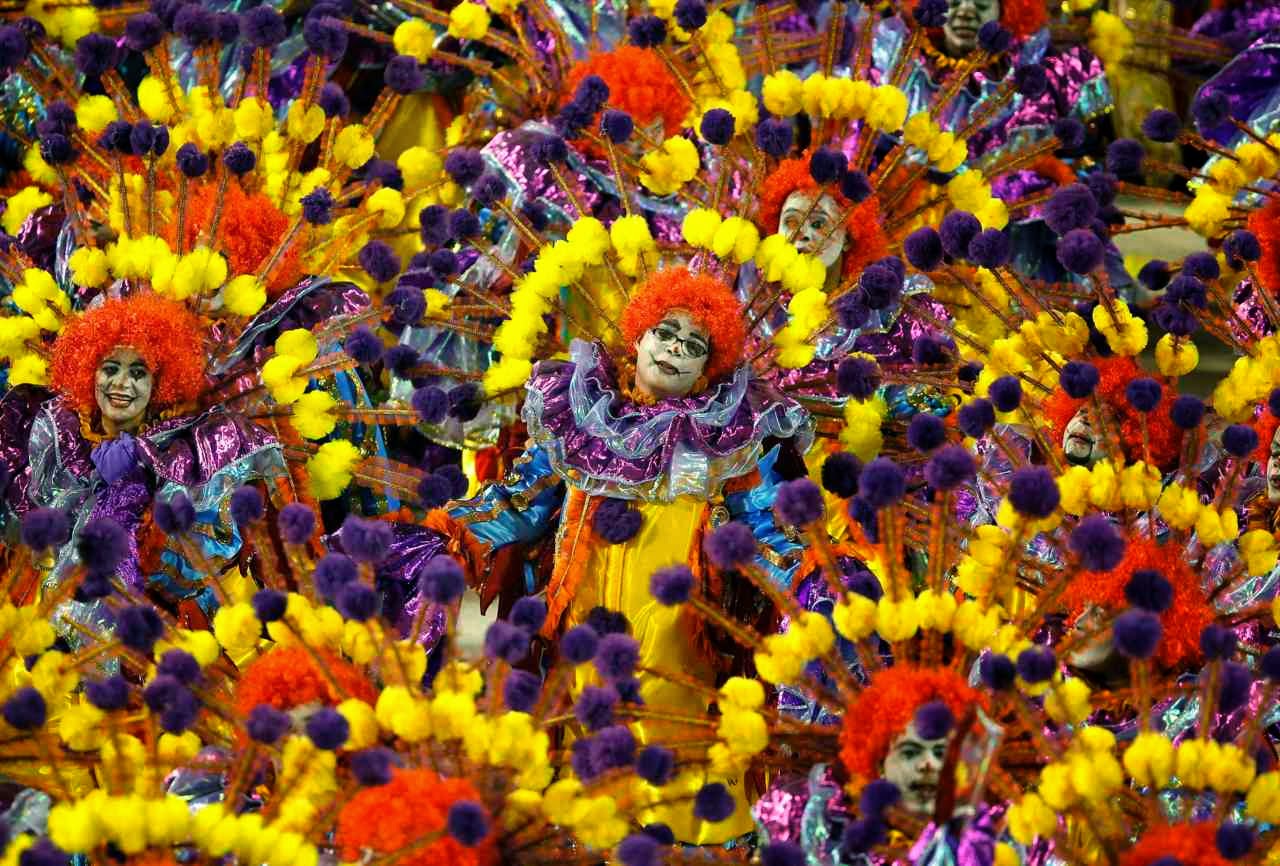
Ya Suo,Ya Suo, Ya La Suo. In English, it means Good, Great, Come on! Image you are travelling in this snowy area just like those people in the picture. No matter you are challenging the peaks or on the way to worship.
The ending: (in Tibetan) 扎西德勒 Zha Xi De Le. In English, it means Blessings, Best Wishes.
This short song was written mainly for those non Chinese who are interested in learning Chinese or Chinese colorful cultures. You can also add an alto line by humming the bass notes and improvise along the melody line.
Music, words, piano arrangement, piano accompaniment, vocal, video edited by Y Jones.
The piano accompaniment 合唱《喜马拉雅山》钢琴伴奏
The preview of the next lesson, a Han race folk song/dance
Jasmine Blossoms 汉族江苏民歌《茉莉花》
The preview of the next lesson, a Mongolian folk song
Dating at Ao Bao 蒙古民歌《敖包相会》
Yan won a singing silver in the UK China Talent Show 2014 London
A Tibetan folk style song called The Tibetan Plateau 参赛曲目《青藏高原》
A:1 Prelude in C minor by J. S. Bach 2015-2016 Syllabus
B:3 Am Abend (In the evening) 2015-2016 Syllabus
C:3 60s Swing 2015-2016 Syllabus
2013-2014 Syllabus
Samba-lele, Grade 5 (2013-2014) 巴西桑巴舞曲 2014
No. 4 from Guia pratico(Practical Guide), Album 2, C:3 Grade 5 ABRSM piano exam 2013-2014. Heitor Villa-Lobos was the best-known and most admired Brazilian composer of the 20th century. Immensely prolific, he united the techniques of contemporary European art music with elements of the folk and popular music of his native country. In the 1930s and early 1940s he was much concerned with music education and for this purpose used many traditional Brazilian songs he had collected as the basis of his Guia Pratico. Under this title he published a choral album and 11 piano albums.
Beethoven's 12 Minuets, WoO 7, belong to his early period in Vienna (1792-1802), during which he established a formidable reputation as a brilliant young pianist and composer, playing regularly in the homes of the Viennese aristocracy. The original orchestral version of this collection was composed free of charge, 'out of love for his fellow artists', for a masked ball held by the Pension Society of Viennese Artists on St Cecilia's Day(22 November) 1795. Owing to the great popularity of Beethoven's dances, they were repeated at the same event two years later, on 26 November 1797. The piano reduction of the minuets, of which No. 7 is selected here, appeared only three weeks after the original masked ball of 1795-another sign of their great success. In No. 7 characteristic Beethovenian touches are already found-for example, the fortissimo chords on the flat supertonic in bb. 13-14. Grade 5 ABRSM piano exam 2013-2014.